



Visual Acceptance – Work System Products
This specification describes how visual quality is assessed for all products. Our products are developed for professional tradespeople and are used in demanding work environments where wear and minor visual deviations are a natural part of usage.
The assessment is based on industry practice and must be carried out under defined and realistic conditions, corresponding to how the product is perceived in actual use. Minor visual defects that do not affect function, safety, or overall appearance are considered acceptable.
The purpose is to ensure a consistent and professional level of quality, adapted to the intended use of the products.
1. Assessment Conditions
Viewing Angle
The assessment shall be performed:
- At 90° to the surface (straight on)
- Up to a 45° viewing angle
Not permitted:
- Grazing light / raking light (“garage light along the surface”)
- Extreme angles used to highlight defects
Lighting Conditions
- Normal daylight or equivalent (approx. 500–1000 lux)
- Even lighting
2. Surface Classification
Class A – Visible Surfaces
Examples of surfaces:
- Sides of covers
- Visible sides of shelves, tool panels, drawer fronts, and end profiles
Assessment: Distance 1 meter
Non-acceptable deviations:
- Visible dents
- Visible scratches
- Scuff marks
- Marks larger than 1 mm (max. 1 per square meter)
- Orange peel texture or press marks visible at 5 meters
- Color variations visible at 5 meters
- More than 4 dots per square meter visible at specified distance and angle
- Cracks in paint or gelcoat larger than 3 mm
Acceptable:
- Minor sink marks
- Slight color variations
- Manufacturing marks smaller than 4 mm
Class B – Semi-visible Surfaces
Examples of surfaces:
- Surfaces visible when standing or sitting
- Inside of covers
- Interior surfaces of products
Assessment: Distance 1 meter
Non-acceptable deviations:
- Wrinkles in sheet metal
- Scratches that may cause corrosion (aluzinc is self-healing if damage is less than 1 mm)
- Worn-off paint where another color is visible
- Marks larger than 1 mm (max. 1 per square meter)
Acceptable:
- Sink marks, color variations, and manufacturing marks smaller than 10 mm
- Surface scratches
- Max. 2 scratches per square meter
Class C – Hidden Surfaces
Examples of surfaces:
- Undersides or roof surfaces not visible during normal use
- Surfaces behind interior fittings
Non-acceptable deviations:
- Wrinkles in sheet metal
- Scratches that may cause corrosion
- Worn-off paint where another color is visible
- Marks larger than 5 cm² (max. 1 per square meter)
Acceptable:
- Sink marks and color variations smaller than 30 mm
- Surface scratches
- Scratches
Lighting – Complaint Assessment
Work System lighting products are developed for use in demanding work environments and are designed to handle variations in temperature, humidity, and daily use.
Temporary condensation (moisture) may occur during temperature changes or short periods of use and is a natural part of the product’s function in these environments.
Moisture that occurs under these conditions and disappears during normal use is not considered a valid complaint. In cases of large temperature variations and infrequent use, moisture may remain for a longer period, which is also normal.
The products are designed to heat up during operation, allowing any condensation to evaporate over time.
Approved complaints:
- Moisture that persists throughout all seasons
- Non-functioning or defective diodes
- Functional defects affecting product performance
Non-approved complaints:
- Temporary condensation that disappears after warming up
- Normal light reduction at high temperatures (thermal regulation)
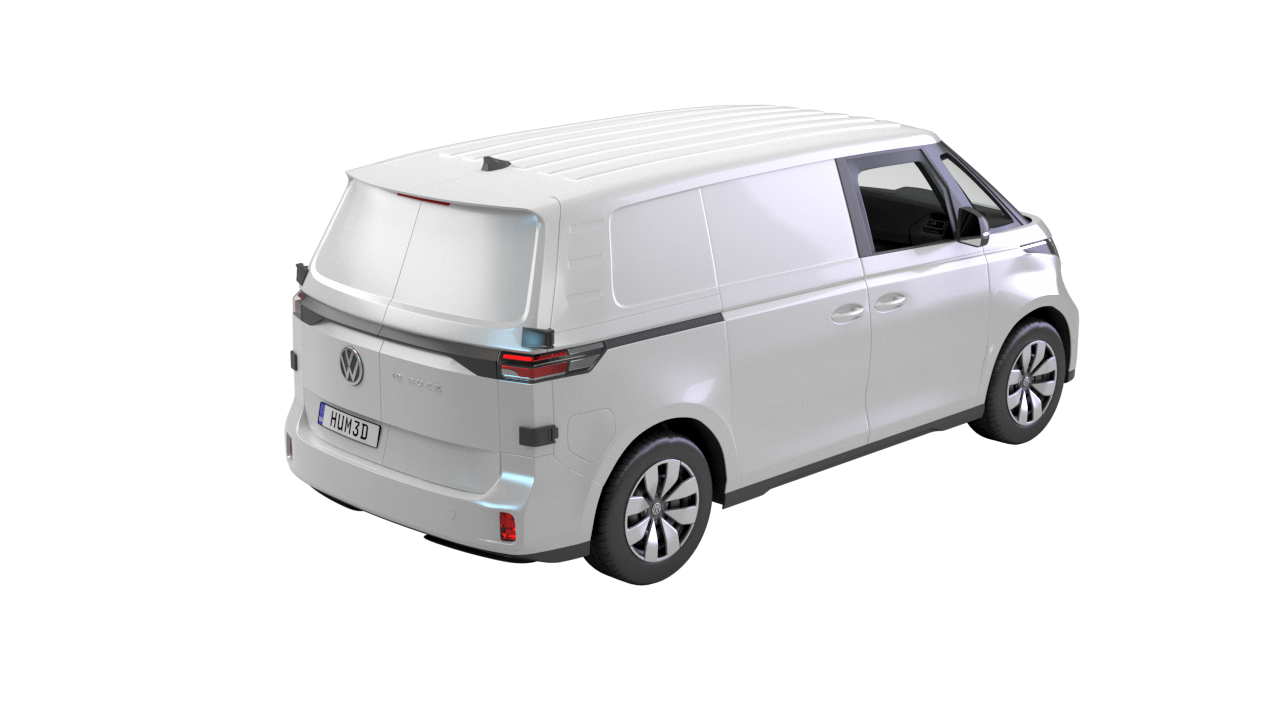
 Right door
 Left door
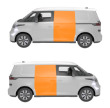 Double door
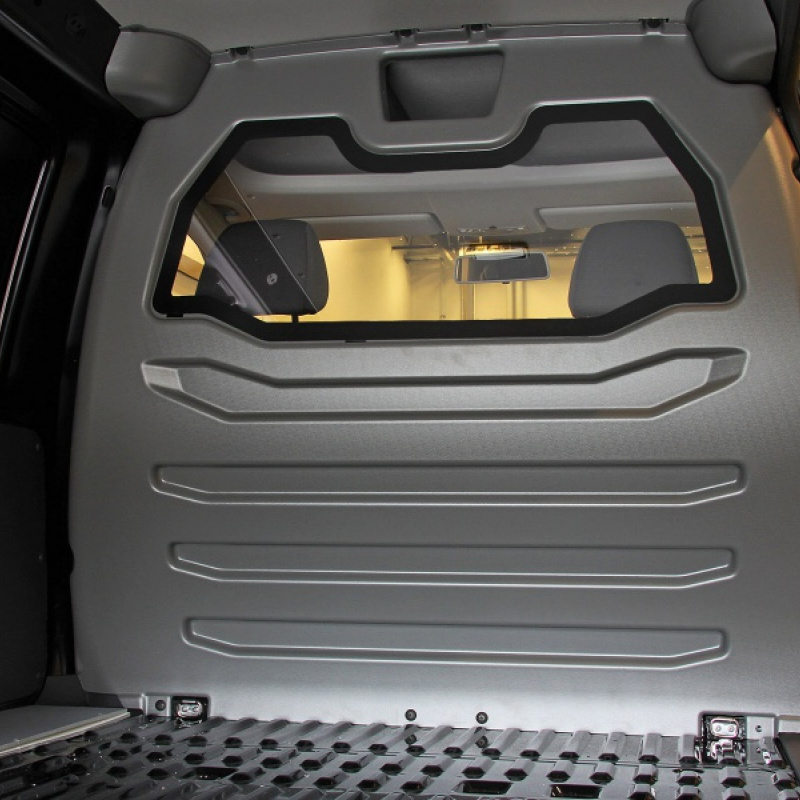 Wall 1


